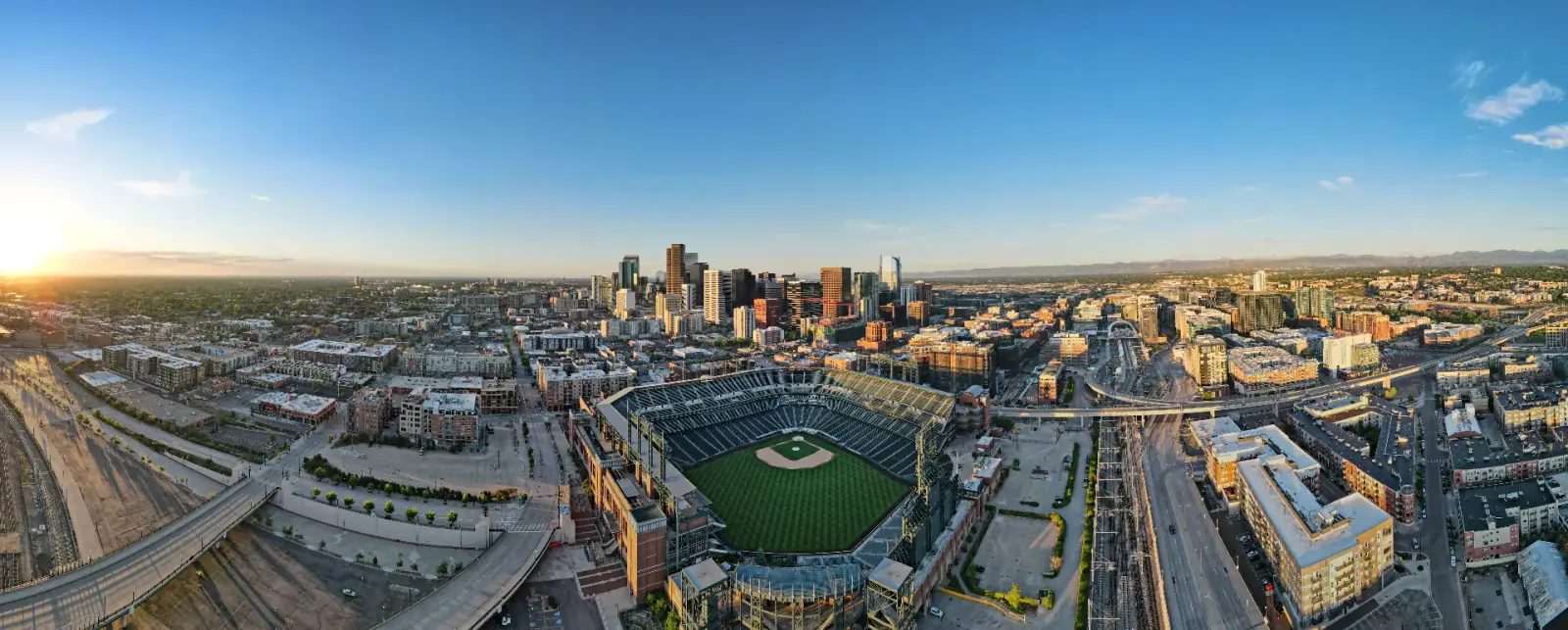
Introduction: The Colorado Off-Season Advantage for Arm Development
For Colorado baseball players, the off-season isn't just a break; it's a golden opportunity. While many parts of the country are battling harsh winters, Colorado's generally drier, sunnier, if cold, conditions, coupled with world-class indoor training facilities, create a unique environment for progressive arm strength development. The goal isn't just a stronger arm, but a healthier, more durable one that can withstand the rigors of a long season at elevation. This guide will walk you through a structured, progressive approach to off-season arm strength, tailored with Colorado's baseball landscape in mind.
Phase 1: Active Recovery & Foundational Movement (October - November)
Immediately after the season ends, arm rest is paramount. However, rest doesn't mean complete inactivity. This phase focuses on active recovery and establishing a solid foundation of general fitness and movement patterns.
- Total Rest (2-3 Weeks): Absolutely no throwing. This allows the soft tissues to heal and inflammation to subside.
- General Physical Preparedness (GPP): Focus on full-body strength, mobility, and core stability. Think bodyweight exercises, light resistance training (squats, deadlifts,ROWS), and dynamic stretching. Facilities like Athletes Performance in South Denver or Sports Performance Colorado in Aurora offer excellent GPP programs.
- Mobility & Stability: Prioritize shoulder and thoracic spine mobility, along with scapular stability. Exercises like YTWLs, band pull-aparts, and foam rolling become your best friends. Consider working with a local physical therapist or sports chiropractor in areas like Cherry Creek or Boulder who specialize in baseball for personalized assessments.
- Nutrition & Hydration: Crucial for recovery and muscle repair. Colorado's dry climate means staying on top of hydration, especially as you begin training more intensely.
Phase 2: Introduction to Arm Care & Low-Intensity Throwing (December - Early January)
This phase is about gently reintroducing the arm to throwing motions and building specific arm durability, not velocity.
- Plyometric & Band Work: Begin with tubing exercises (internal/external rotation, J-bands) and light plyometric drills (e.g., Medicine ball throws against a wall). These activate the small stabilizing muscles around the shoulder. Many high school weight rooms across the Front Range now have these resources, or look into dedicated baseball training centers like Diamond Club Training in Centennial.
- Long Toss (Controlled): Start with short-distance, low-intensity throws, focusing on clean mechanics. Gradually extend the distance, but keep the intensity low. The goal is a relaxed, arc-filled throw, not a flat, hard one. This can be challenging with snow, but indoor turf facilities like The Cage at Parker Fieldhouse or RSPORTS in Highlands Ranch are ideal.
- Weighted Ball Program (Careful Introduction): If using weighted balls, start with underload (lighter) balls, not overload (heavier) balls. Focus on drill work, not maximal intent throwing. It's critical to follow a reputable program (e.g., Driveline Baseball protocols are widely available) and consult with a throwing coach. Overload balls should ONLY be introduced much later, and with extreme caution.
- Continued Strength & Conditioning: Elevate your full-body strength training, incorporating compound movements and building muscular endurance.
Phase 3: Progressive Velocity & Strength (Mid-January - February)
As spring training approaches, the intensity and specificity of your training will increase. This is where you start targeting velocity and power, but always with a watchful eye on mechanics and recovery.
- Long Toss (Intentional): Gradually increase intensity and distance, incorporating pulls and throws aiming for carry. This should still be controlled, not violent. On warmer days, outdoor fields become an option, but indoor facilities remain reliable.
- Mound Work (Gradual Progression): Begin with flat-ground bullpens, then transition to throwing from the mound. Focus on command and repeating mechanics before pushing velo. Start with low pitch counts and adequate rest between sessions. Many high schools, like Rock Canyon or Regis Jesuit, have excellent indoor mound setups.
- Advanced Weighted Ball Applications: If you've been working with weighted balls, you might now incorporate slight overload balls, always with strict adherence to a program and technique.
- Power & Explosiveness: Integrate plyometrics (box jumps, broad jumps) and Olympic lifts (cleans, snatches – only with professional coaching) into your strength routine. Facilities like those at the University of Denver or specialized strength gyms can provide expert coaching here.
- Recovery & Monitoring: Implement active recovery days, stretching, foam rolling, and potentially soft tissue work. Listen to your body. Consider using apps or journals to track throwing volume and body feel.
Phase 4: Pre-Season Peak (March)
By March, you should be transitioning fully into pre-season mode, refining mechanics, and preparing for competition.
- Bullpen Sessions: Increase pitch counts and incorporate all pitches. Focus on game-like situations.
- Live Batting Practice: Gradually introduce live hitters to simulate game pressure.
- Maintenance & Taper: Shift from heavy strength building to maintenance, focusing on mobility, arm care, and light strength work to keep the body fresh.
Colorado Specific Considerations & Resources:
- Altitude: While it affects ball flight in-season, its impact on off-season training is primarily related to recovery. Ensure adequate hydration and listen to your body, especially during intense workouts.
- Indoor Facilities: Leverage Colorado's abundance of high-quality indoor turf and training facilities throughout the colder months. Examples include Gameday Baseball (Arvada), Premier Baseball Academy (Denver Metro), and facilities within local recreation centers.
- Coaching: Seek out reputable pitching coaches specializing in biomechanics. Coaches associated with college programs (e.g., Northern Colorado, Air Force, CSU-Pueblo) or established travel baseball organizations often have a strong understanding of arm care.
- Physical Therapy: Don't wait for an injury. Proactive assessments and prehab exercises from sports-specific PTs (like those at Altitude Physical Therapy or Physio Room) can identify potential weaknesses before they become problems.
Conclusion: Consistency and Smart Progression Wins
Building a strong, durable arm is a marathon, not a sprint. The Colorado off-season provides an ideal window to make significant gains, provided you follow a progressive, intelligent plan. By prioritizing active recovery, foundational strength, controlled throwing progression, and leveraging the excellent resources available throughout the state, you'll step onto the field next season not just stronger, but with an arm built to last. Stay consistent, listen to your body, and always prioritize mechanics and arm health above all else.